
.jpg)
Leaders of challenger brands live with a constant reality: you can't outspend the giants. They have more money. You have more nerve.
And that’s your secret weapon. 🔥
Big companies are prisoners of their own success. Their processes are rigid, their messaging is committee-approved, and their tolerance for risk is microscopic. They have everything to lose.
You, on the other hand, have everything to gain. Your constraints—whether budget, team size, or market awareness—force you to be smarter, bolder, and more innovative. You can’t afford vanity projects or unfocused campaigns. Every move must matter.
Pressure doesn’t break challenger brands—it builds them. It breeds agility, resourcefulness, and a results-driven culture.
Your constraints aren’t limitations. They’re the spark that ignites a truly unforgettable brand.
Here are three ways to leverage your limitations and build a brand that captivates and competes.
Fandom is the foundation for challenger brand momentum—it's about belonging, connection, and turning customers into passionate partners in your growth.
Your competitors have to appeal to everyone, which often makes their stories bland and forgettable. You don’t. You can tell a sharp, opinionated, deeply human story that hits your audience right in the gut.
Action Step: Identify an industry "truth" you disagree with. Build your narrative around challenging it. Take a stand. Your story shouldn’t just be about what your product does; it should be about what you believe. That conviction costs nothing—but creates priceless emotional equity.
Quick Take: Go bold or go invisible.
Fandom is the ultimate advantage for challenger brands. When you build a community of true believers, your customers become your loudest advocates and most authentic marketers. Fandom turns buyers into a movement.
Action Steps:
Quick Take: Community isn’t a nice-to-have—it’s your growth engine.
You may not afford a Super Bowl ad, but you can create an unexpectedly personal experience for every single customer. Big companies automate. You can personalize.
Action Step: Map your customer journey and find one or two moments to surprise and delight. A handwritten thank-you note. A personal video message from the founder. Radically transparent service. Small, human gestures create loyal evangelists—and that’s marketing money can’t buy.
Quick Take: The smallest touch can make the biggest noise.
Glossier redefined what it means to be a beauty brand by turning its constraints into superpowers. Instead of chasing massive ad budgets or celebrity endorsements, they put customers and community at the center from day one.
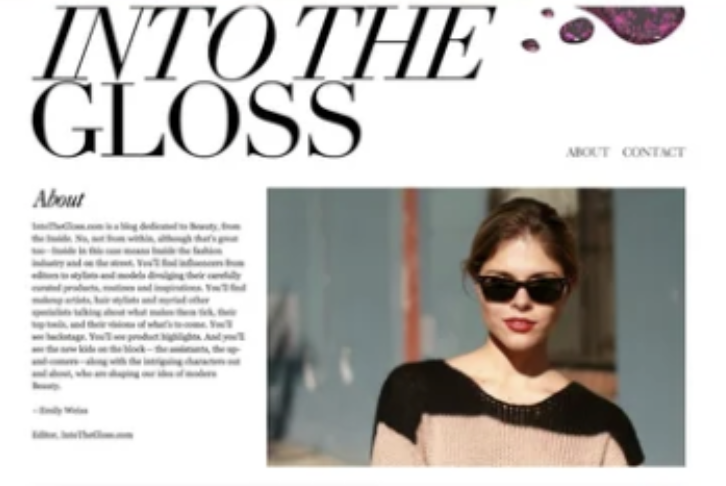
Community-First Approach: Glossier originated from founder Emily Weiss's beauty blog, Into The Gloss, which cultivated a devoted following. The brand tapped directly into this audience for product ideas, feedback, and early evangelism. In fact, Weiss involved her community in developing the brand's first products, asking readers what they wanted to see—then building exactly that.
User-Generated Content: Glossier made it easy—and desirable—for customers to share their looks and experiences on Instagram and other platforms. Real users became the heart of the brand's marketing, creating buzz without big ad spends.

Minimalist Branding: Their signature pink, modern packaging felt instantly personal and fresh. The visual simplicity stood out on crowded shelves and screens, proving that less can absolutely be more.

Digital-Only Strategy: By selling exclusively online (at first), Glossier bypassed the enormous costs of traditional retail. Social media was both their showroom and cash register, building intimacy and word-of-mouth faster than any billboard could.

The result? Within four years of launching, Glossier reached a $1.2 billion valuation—powered almost entirely by word-of-mouth and community advocacy, not traditional advertising.
Glossier transformed constraints into a community-powered movement and showed that listening deeply, inviting participation, and staying obsessively consistent pays off—even against legacy beauty giants.
Quick Take: Challenger brands don’t ask for permission—they rewrite the playbook.
What if your biggest limitation is actually your biggest unfair advantage?
Look at your biggest budgetary or resource constraint right now.
Instead of asking, "How do we work around this?" ask, "How can we use this to our advantage? How can this force us to outthink the competition?"
Spend 30 minutes this week brainstorming the most unconventional, bold idea your constraint could unlock. Then pick one to test this month.
Dare: Pick one idea. Test it. Prove your limits wrong.
Ready to make creativity your competitive edge?
🗓 Book 30 Minutes with Me — let’s turn your biggest limitation into your most powerful asset.
Until next time,
Anna

